From its natural presence in our favorite foods to its potential as a therapeutic agent, PEA continues to captivate researchers and health enthusiasts alike. As we continue to explore the intricate workings of our brains, PEA stands as a testament to the power of neurochemistry in shaping our experiences and well-being. So the next time you enjoy a piece of chocolate or feel a surge of motivation, remember the tiny but mighty molecule that might be behind those pleasant sensations – phenylethylamine, the brain’s natural stimulant. The discovery of phenylethylamine dates back to the late 19th century when it was first synthesized in a laboratory. However, it wasn’t until the mid-20th century that researchers began to unravel its significance in human physiology. PEA is not only produced within our bodies but is also found in various foods, particularly in chocolate, certain cheeses, and fermented products.

Dosing more than recommended is NOT a good idea because you’ll likely feel jittery, irritable, get a headache, feel nausea, and very possibly force your heart rate to dangerous levels. Selective serotonin reuptake inhibitors (SSRI) are the most popular antidepressants prescribed worldwide. SSRIs work by blocking the serotonin transporter and inhibiting the reuptake of the neurotransmitter in your brain called serotonin. Phenylethylamine (PEA) quickly crosses the blood-brain barrier once you take it.
5-HT1A Receptor Ligands
As we conclude our exploration of phenylethylamine, it’s clear that this remarkable molecule plays a crucial role in our brain’s complex neurochemistry, particularly in its regulation of dopamine. From its mood-enhancing properties to its potential cognitive benefits, PEA stands out as a fascinating subject in the realm of neuroscience and mental health. Another significant aspect of PEA’s psychological effects is its role in motivation and reward systems.
Phenylethylamine And Mood: Can It Boost Happiness?
We,7 and others,3 showed that certain phenylalkylamines, including PEA (1), amphetamine, and 4-chloroamphetamine displayed low μM affinity for 3Htryptamine-labeled sites in rat brain frontal cortex homogenates. While PEA is naturally produced in the body, it can also be synthesized in a laboratory and used as a supplement. Some people take PEA supplements to improve their mood, increase their energy levels, and enhance their cognitive function. However, more research is needed to fully understand the effects of PEA supplementation on human health. The dorsal striatum is a forebrain structure of the basal ganglia circuit that receives dopaminergic projections from the substantia nigra or ventral tegmental area 25. As mentioned above, the activation of these dopaminergic pathways plays a crucial role in addictive drug-mediated motivation and reward behavior through DA-receptor-mediated neurotransmission 26,27.
4 Β-PEA Was Self-Administered Under Fixed Ratio Schedules Of Reinforcement In Rats
Taking phenethylamine along with dextromethorphan (Robitussin DM, others) might cause too much serotonin in the brain and can result in serious side effects including heart problems, shivering, and anxiety. Do not take phenethylamine if you are taking dextromethorphan (Robitussin DM, and others). This increase in synaptic concentrations of dopamine can be accomplished by directly blocking the dopamine transporter.
Dosage For PEA
Phenylethylamine is abbreviated as PEA and alternatively known by several scientific names, including β-phenylethylamine, Beta-phenylethylamine, Benzeneethanamine, 1-Amino-2-phenylethane, 2-Phenethylamine, Phenethylamine HCl, and Phenethylamine Hydrochloride. Fun fact, this chemical is found in chocolate and cocoa and is believed to be the component that makes these treats so appealing. Schizophrenia is rare mental disorder that could potentially be related to PEA.
Side Effects
I’d been an academic neuroscientist for a quarter of a century, and I’d never heard of PEA having a significant role in the brain. Pretty embarrassing, considering I was writing a book about limerence and obsessive love. The scientific study of love has always been prone to a certain amount of controversy. Romantic love is a subject of endless fascination, but it is also sometimes seen as a bit of a frivolous topic for research. That academic ambivalence can lead to frustration when trying to find good information about the neuroscience that underlies passionate love and infatuation.
However, in passing, he also mentioned that PEA is broken down by the same enzyme, and he speculated that maybe it was involved in the good vibes of love, too. Phenethylamine (PEA) is a naturally occurring compound found in various plants and foods, most notably in chocolate and certain medicinal herbs. Historically, PEA has been recognized for its significant role in promoting well-being and enhancing mood. Ancient herbalists and traditional medicine practitioners valued plants containing PEA for their uplifting and energizing properties. For example, cacao beans, rich in phenethylamine, were used by ancient Mesoamerican cultures both as a food and as a remedy to invigorate the spirit and relieve fatigue. For those seeking a more concentrated dose, synthetic PEA supplements are available.
Potential Substance Interactions With Phenylethylamine (PEA)
- While cocaine-type molecules exert inhibitory binding to DAT, amphetamine-type ones are substrates that are effectively transported to the presynaptic neuron, stimulating efflux of cytosolic dopamine 165.
- It also causes the reduction of the reuptake process of serotonin, dopamine, and norepinephrine.
- It didn’t take me out of the zone, but it was almost as if I was separate from what I was doing if that makes any sense.
- This caused us to seriously question the relationships we had identified between peripheral fundus 5-HT receptor affinity and human hallucinogenic action or central DOM-like stimulus activity.
- Before leaving the topic of fundus 5-HT receptors, it is worth mentioning that attempts were made to determine whether peripheral rat fundus 5-HT receptors bore any similarity to brain 5-HT1 or 5-HT2 receptors.
PEA is found naturally in a variety of cacao algae, fungi and bacteria, and clover beans, peas, as well as certain food items like Natto and eggs. In this review, we examine the way the phenylethylamine (PEA) works in the brain. Phenylethylamines are a class of Phenethylamine derivatives that contain PEA as the backbone. The derivative compounds are created through the replacement of hydrogen molecules within the structure of the core. You are encouraged to report negative side effects of prescription drugs to the FDA. It’s particularly helpful if you take Phenylethylamine prior to a stressful situation, workout, or physically demanding job.
However, studies have found that eating chocolate doesn’t lead to an increase in PEA levels in the nervous system, since it is metabolized rapidly before reaching the brain. Research tells us that people who have low levels of this chemical may be prone to experiencing depression, poor attention span and other psychiatric conditions. Phenylethylamines are a group of phenethylamine derivatives which contain PEA as a backbone.
Healthy School Lunch Ideas (Plus Snacks & Other Meals)
Taken together, our findings suggest that β-PEA has psychoactive properties given its rewarding and reinforcing effects via the activation of dopaminergic neurotransmission, and it has psychotomimetic potentials such as circling or head-twitching behavior. These effects are likely mediated by DAD1R in the dorsal striatum of rodents. Many of these psychoactive compounds exert their pharmacological effects primarily by modulating monoamine neurotransmitter systems; however, there is no mechanism of action or biological target that is common to all members of this subclass. Scientifically, PEA acts as a neuromodulator and neurotransmitter, influencing the release of dopamine and other catecholamines in the brain. Some small clinical studies and animal research have suggested that PEA supplementation may provide benefits for mood enhancement and attention. For example, a handful of studies have explored its potential role in alleviating symptoms of depression, particularly when used in combination with monoamine oxidase B (MAO-B) inhibitors, which slow its breakdown and extend its effects.
Word Of The Day
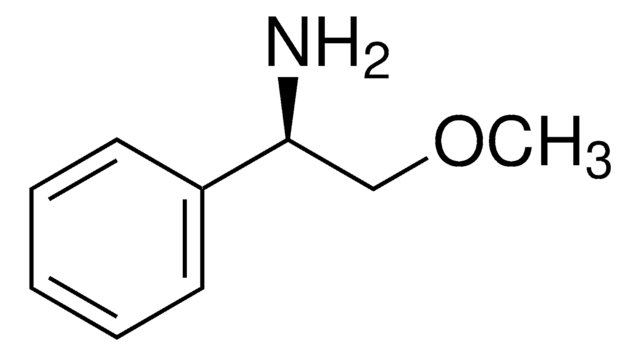
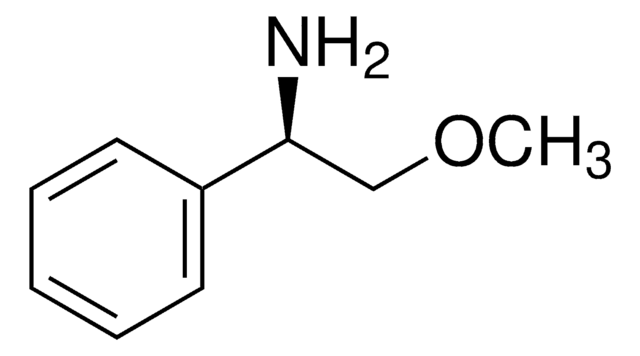
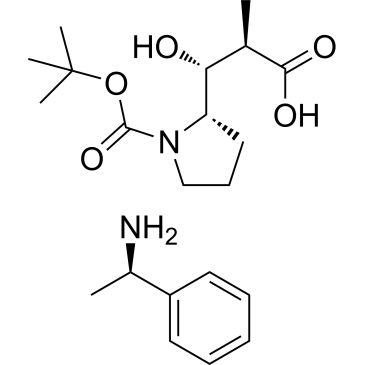
The S-enantiomer of PEA is naturally found in foods and the human body, but the R-enantiomer is synthesized in a lab for research. The structural formula of any substituted phenethylamine contains a phenyl ring that is joined to an amino (NH) group via a two-carbon sidechain. Hence, any substituted phenethylamine can be classified according to the substitution of hydrogen (H) atoms on phenethylamine’s phenyl ring, sidechain, or amino group with a specific group of atoms.