Navigating the Hidden Wiki increases the risk of inadvertently accessing illegal or explicit material, leading to potential legal consequences. Provides access to a wide range of websites, forums, marketplaces, and resources within the Dark Web, facilitating exploration of varied content. It’s advisable to research and confirm the legitimacy of websites before accessing them. The Dark Web encompasses a wide array of content, legal and illegal, while the Dark Wiki primarily organizes and categorizes these links for user navigation. We keep encouraging everyone about the importance of anonymity and privacy on the Hidden Wiki.
What Kind Of Content Is On The Dark Web?
Accessible via specialized software like the Tor browser, facilitating anonymity by rerouting internet traffic through multiple nodes. They establish their presence within the Dark Web and can operate without being listed on directories. Click on the .onion link of your choice within the Hidden Wiki’s directory. The Tor browser will navigate to the specific .onion site you’ve selected. Once on the Hidden Wiki page, you’ll find categorized lists of various .onion links.
Approach Discussions And Forums With Caution
Additionally, we provide detailed descriptions and safety advice for each link, empowering users to make informed decisions. Unlike many alternatives that allow user submissions without thorough vetting, we prioritize quality over quantity to maintain a safer browsing experience. Our dedication to transparency and user security makes our directory a superior choice for navigating the dark web in 2025.
Are There Dark Web Forums I Can Join Safely?
These links point to various websites within the .onion domain, which are accessible only via the Tor browser. They offer a starting point for users who are new to the dark web and want to explore it safely. Understanding the implications of navigating the hidden wiki requires awareness of local laws regarding internet usage. Users must exercise caution and adhere to laws in their jurisdiction when browsing.
Some networks are used for good things, like political activity or letting people know about wrongdoing, but others are used for bad things, like planning terrorist attacks. Explore how the Hidden Wiki influenced the perception and culture of the dark web. Discuss how the Hidden Wiki servers are usually hidden, decentralized, and often hosted by volunteers or anonymous groups.

Pros And Cons Of Navigating The Hidden Wiki
Inexperienced users may inadvertently stumble upon illegal or explicit material while exploring the Dark Wiki, leading to legal repercussions. The Hidden Wiki provides access to information that might be restricted or censored on the surface web, offering a platform for free expression. Refrain from sharing personal or sensitive information, as anonymity is crucial while exploring the Dark Web, including the Hidden Wiki. The Dark Web constitutes a secluded segment of the internet that operates on encrypted networks, inaccessible through conventional browsers. An online repository offering access to a vast collection of eBooks, academic papers, and educational materials.

The dark web is a hidden division of the internet that can only be accessed by those with special tools and is concealed below regular browsing. The Onion Router (TOR) network hosts the dark web on its platform, allowing users to remain anonymous while using it. The original Hidden Wiki was created in 2007 as a collaborative effort by Tor users to provide a reliable and up-to-date directory of hidden services. The rest of the wiki also offered links to sites hosting nudity, including child pornography and abuse images. This repository provides resources, tools, and guidance related to exploring hidden services and understanding online privacy.
- Hacking services listed on The Hidden Wiki offer everything from DDoS attacks to malware insertion.
- Facebook is aware of attempts by many governments to restrict access to a tool that allows strangers across the web to talk and collaborate freely.
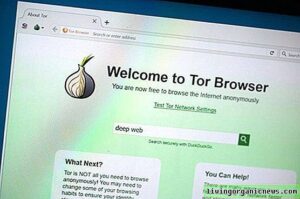
- The Tor Browser looks and feels similar to a regular web browser but is configured to prioritize privacy and security by default.
- While comprising a fraction of internet content, the hidden wiki’s association with illegal activities looms large in the public imagination.
- Some examples of deep web content include password-protected sites, private networks, encrypted databases, paywalled sites, and pages dynamically loaded from databases.
- The deep web can be a good way to protect your privacy and get around censorship, but it is also a place where drug dealing, selling guns, and identity theft happen.
Beware Of Unknown Vendors Or Marketplaces
It acts as a centralized hub to access sites that are not indexed by traditional search engines like Google. Many users rely on the Hidden Wiki to find reliable dark web resources safely and efficiently. The Hidden Wiki is essentially a curated directory of .onion websites accessible only through the Tor network. It organizes links to a wide variety of dark web destinations, including popular marketplaces where users buy and sell goods anonymously.
The Risks Of Engaging With Dark Net Marketplaces
For many, it is their first introduction to the deep and dark web world. Furthermore, the hidden wiki offers guidance on the proper use of privacy tools such as VPNs and Tor browsers. These tools are indispensable for masking one’s digital footprint, allowing users to browse without leaving traces that could be exploited by malicious entities. The site started as a fork of the ahmia search engine, this will remain a central part of the site.
Some of these databases are stolen from legal sources, but others are made by crooks who use phishing scams and other methods to get personal information. The Deep Web is a part of the Internet that can’t be found through search engines or regular web tools. The Deep Web is thought to be 400 to 500 times bigger than the part of the Internet that most people use, called the public web.
- Additionally, the deep web contains forums and support communities where users share tips on maintaining anonymity online.
- The Hidden Wiki doesn’t host any transactions or direct communication; it’s purely a directory to sites offering goods, services, or information—often on the edge of legality.
- It’s basically a directory of links to all sorts of .onion sites, many of which are only accessible through the Tor network.
- When deciding between TOR Browser and a VPN, it’s crucial to understand their purposes.
- This means that people can access material without worrying about being tracked or watched by the government.
- Check for recent user reviews or feedback to ensure the site is still operational and legitimate.
Navigating The Hidden Wiki: Tips And Tricks
In essence, the Hidden Wiki acts as a guidebook, offering users a glimpse into the obscured corners of the internet. It provides access to a myriad of websites and services that remain hidden from standard search engines and browsers. Navigating the Hidden Wiki requires caution and discernment due to the diverse nature of the content it links to. Understanding its role as a directory within the Dark Web landscape is essential for those curious about exploring this encrypted realm.
Others specialized in niche content like markets only or whistleblower sites only. Because the Hidden Wiki’s content is uncensored and user-edited, it inevitably includes links to illegal or highly controversial material. This includes darknet markets selling drugs, weapons, counterfeit documents, hacking services, and other illicit goods. For a balanced perspective on who uses the dark web and why, see Is the Dark Web Only for Criminals or Everyone?. The Hidden Wiki is a directory that simplifies discovering deep web content. With its categorized structure and regularly updated links, it serves as a powerful tool for anyone seeking information or services available through the Tor network.

Since the ISP can’t detect you’re accessing dark web URLs, it won’t trigger any alarms about your online activity. To make its journalism more accessible to readers around the world, the New York Times launched its onion service in 2017. You won’t find any “hidden” stories here—it’s the same content as the normal web edition—but users in countries with government censorship will appreciate having a secure way to access it. Onion sites (aka Tor sites) are websites only accessible on the dark web; you can’t view them using a regular browser. Their URLs (aka dark web links) have .onion as the domain, instead of the common surface web domains like .com or .net. It’s important to note that while the Hidden Wiki itself may not host illegal content, some of its links may lead to illicit websites.
Understanding The Risks
This is crucial to maximize safety and obtain the most relevant information and services tailored to their needs. It’s free to access, and registration isn’t mandatory unless you want to contribute. The Hidden Wiki doesn’t host any transactions or direct communication; it’s purely a directory to sites offering goods, services, or information—often on the edge of legality. Think of it as a community-curated index, where registered users add and update links to various darknet sites. It’s not just a search engine alternative; it’s a directory to the forbidden.