Key areas of focus include mRNA technologies, gene therapies, biologics, and AI-driven drug development. Continuous investment in R&D has led to breakthroughs in oncology, immunology, and rare disease treatments, significantly enhancing patient outcomes and driving market growth. This high level of investment fuels the discovery of breakthrough therapies across various segments, including oncology, immunology, and rare diseases. According to an article by oxford Academic, in 2023, U.S. pharmaceutical spending rose by 13.6% to reach USD 722.5 billion. This increase was driven by a 6.5% rise in utilization, a 4.2% boost from new drugs, and a 2.9% uptick in prices. Furthermore, In 2023, drug spending in nonfederal hospitals decreased by 1.1%, totaling USD 37.1 billion, while expenditures in clinics increased by 15.0% to USD 135.7 billion.
COPD which includes conditions like chronic bronchitis and emphysema, is ubiquitous among smokers because tobacco smoke irritates and inflames the airways, making it hard to breathe. Lung cancer, another severe consequence of smoking, occurs when these harmful substances cause abnormal cell growth in the lungs. In 2021, the CDC reported 142,342 deaths from lower chronic respiratory disease in the United States, highlighting the urgent need for innovative treatment approaches. This significant toll underscores the demand for advancements in managing these conditions effectively. They are commonly used to treat minor health conditions such as headaches, cold and flu symptoms, allergies, and mild pain. Common examples of OTC drugs include pain relievers like acetaminophen and ibuprofen, cough and cold medications, antacids, allergy medications, and topical creams for skin conditions.

Highest Priced Drugs
- Key therapeutics identified in the March 2025 report range from small molecules and monoclonal antibodies to gene therapies and novel formulations.
- The market is projected to grow from USD 1,240.33 billion in 2024 to USD 2,151.63 billion by 2032, exhibiting a CAGR of 7.1% during the forecast period.
- The pharmaceutical industry is constantly in flux, with legal directives, increasing costs, and political unease all contributing to an unsettling financial environment.
- Those who remain tethered to the old model of competing solely on the price of simple generics will find themselves in an increasingly precarious position, squeezed by commoditization on one side and technological obsolescence on the other.
- They are one of the main profit-generating activities of organised crime and are estimated to represent around one-fifth of global crime proceeds.
- The economic impact of prescription drugs is substantial and often a topic of discussion in healthcare policy.
Physicians prefer prescription-based drugs for tailored dosing and monitoring, especially in long-term therapies. Additionally, increased access to healthcare services and insurance coverage has made prescribed treatments more accessible, contributing to the market leadership. The growing adoption of advanced drug delivery systems presents a significant future opportunity in the ophthalmic drugs market. Innovations such as sustained-release implants, nanoparticles, and ocular inserts enhance drug effectiveness, minimize side effects, and reduce the frequency of administration. These technologies improve patient compliance and provide targeted, long-lasting treatment for chronic eye conditions.
Suppositories Market 2025 Clinical Trials, AI In R&D, And CBD-Based Innovations Boosting Growth
For instance, according to an article published in June 2022, commonly used OTC drugs during the pandemic included antihistamines, antipyretics, and cough suppressants. Moreover, according to the National Library of Medical article published in May 2022, the inclination toward self-medication was prominent in both developed and developing nations, with a global prevalence reaching nearly 80% and approximately 78.6% in India. The surge of online misinformation during the COVID-19 era has further fueled the prevalence of self-medication, consequently boosting the OTC drugs market.
Distribution Channel Insights
Leaders urged CEOs to use new AI technologies, pointing out that recent developments in AI might significantly affect pharmaceutical research and innovation. In general, leaders stressed the need for creative leadership to adopt new pharmaceutical advances and develop mechanisms that would guarantee the accessibility and affordability of upcoming therapies. This group is the largest and consumes various pharmaceutical products for better health and to improve quality of life. With over 3,500 medications now in development, precision medicine will continue to be a major area of focus for pharmaceutical innovation. The field’s future is hinted at by Germany’s ambitious ambition to use whole-genome sequencing in regular healthcare, the emergence of mRNA vaccines, and next-generation treatments that use CRISPR technology.
Emphasizing Personalized Medicine For Targeted Therapies In Pharma
Prescription drugs comprise various types of vaccines and therapies for the treatment and management of chronic and acute diseases. These disorders include types of cancer, cardiovascular diseases, diabetes, and also orphan disease. In a modern clinical scenario, the administration of appropriate prescription drugs is critical for better clinical outcomes for almost every patient suffering from serious disorders. Many market players are engaged in clinical trials for the development of new products for a wide range of diseases, but the prescription drugs scenario itself has undergone profound changes with an increasing influx of generic equivalents. Moreover, the boosting of healthcare expenditure and govement commitments to universal healthcare assure a continued demand for pharmaceutical products.
The Next Decade: Key Trends Defining The Future Market
Prescription drug spending can be a significant portion of total healthcare expenditures for governments, insurance companies, and individuals. Based on type, the conventional drugs (small molecules) segment accounted for the largest revenue share of 54.74% in 2024, due to their well-established manufacturing process, predictable pharmacokinetics, and oral bioavailability. Additionally, their extensive and proven history of successful clinical use, diverse therapeutic applications, and patent expirations enabling generic competition contribute to their widespread adoption.
What Defines The Pharmaceutical Drugs Market?
This pattern is similar to thatfor the broader prescription drug market.9 In contrast, spendingon small molecule drugs remained almost flat during this period, atapproximately $360 billion per year, while the number of prescriptionsincreased 19.2 percent. Overall, the share of totalexpenditures on small molecule drugs decreased from 69 percent in 2017to 59 percent in 2022, with a corresponding increase in the share ofexpenditures on biological products. Key factors that are driving the market growth include increasing chronic disease prevalence, rising geriatric population, increasing healthcare spending by government organizations globally, and extensive efforts to improve the affordability of pharmaceuticals. Based on type, the pure generic drugs segment dominated the market in 2024 and held more than half of the global market share, 51%. Therefore, the upper hand of the pure generic drugs segment is predicted to continue during the forecast period. The cost-effectiveness of these drugs and the growing adoption of pure generic drugs in developing countries primarily drive the segment’s growth.
- This launch follows FDA approval through Lupin’s alliance partner, ForDoz Pharma Corporation, and is part of Lupin’s strategy to expand its oncology portfolio.
- The rising number of improvements in the healthcare infrastructure and healthcare system of MEA countries is favoring the generic drugs market in MEA.
- The impacting factors are accelerating healthcare expenses in both public and private sectors, which are fueling demand for drugs.
- The IQVIA Innovation Hub connects start-ups with the extensive IQVIA network of assets, resources, clients, and partners.
- The most significant growth is now concentrated in high-value segments like complex generics (e.g., injectables, inhalables) and biosimilars.
Additionally, greater awareness, improved access to healthcare, and increased investment in research and development are boosting the market demand. The branded segment dominated the pharmaceutical market with a revenue share of 66.86% in 2024. The adults segment held the largest market share of 62.84% in 2024 and is anticipated to grow at the fastest CAGR over the forecast period. The adult population aged from years holds the largest share in the total population and are the major consumer of prescription medicine.
Take advantage of the latest tools, techniques, and deep healthcare expertise to create scalable resources, precision insights, and actionable ideas. Be at the forefront of data-driven decision-making with a new generative AI tool that enables you to interact with our products and solutions like never before. Building on a rich history of developing AI for healthcare, IQVIA AI connects the right data, technology, and expertise to address the unique needs of healthcare.
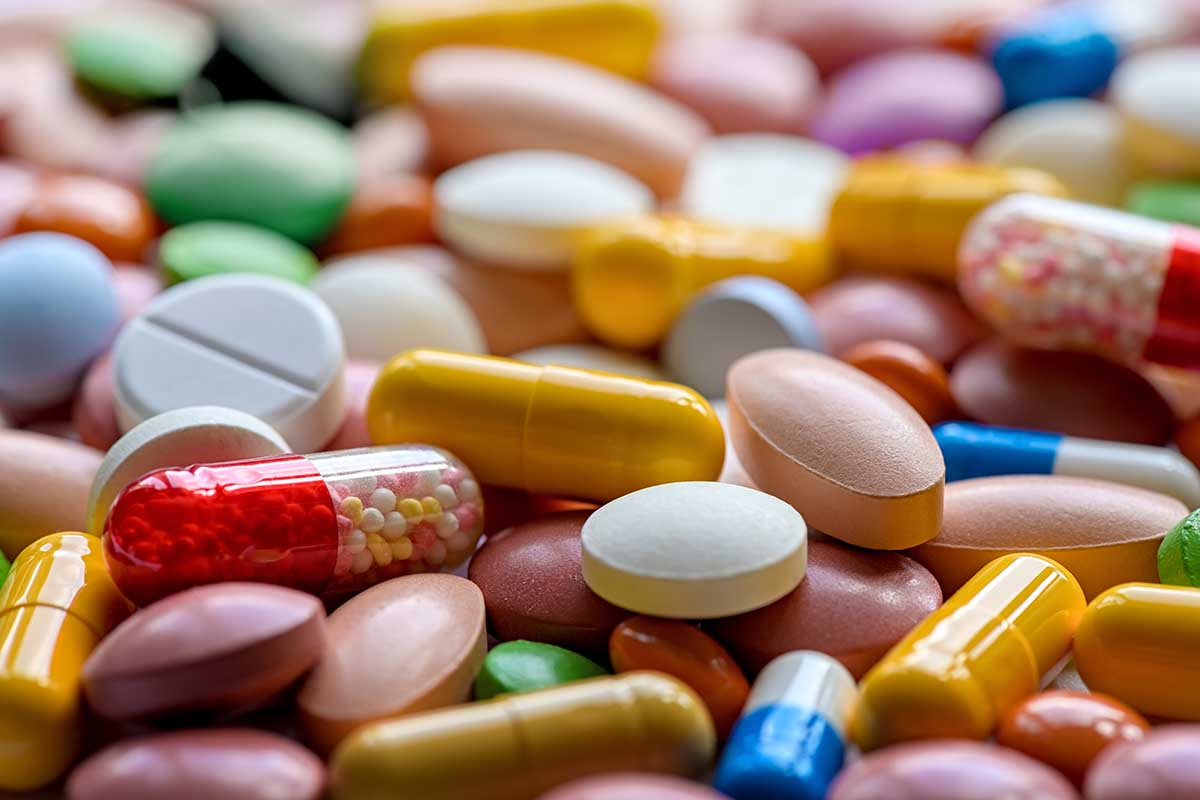
Although novel advanced technologies in drug delivery, including nanotechnology, microencapsulation, and 3D printing, are optimizing drug efficacy and bioavailability, which leads to the enhanced demand for drugs. By product type, the over-the-counter (OTC) drugs segment is expected to be the fastest CAGR growing in the upcoming years. Nowadays, consumers are widely adopting OTC drugs to resolve insignificant ailments and track their complete well-being, because of their convenience and reasonable compared to prescription drugs. Also, rising emphasis on proactive health management is resulting in a greater demand for OTC products, which is coupled with self-care and preventive measures. Companies pursue M&A to diversify product portfolios, gain access to innovative technologies, and expand their geographic reach.
Pharmaceutical companies are focusing on research & development to bring new drugs, vaccines, and biosimilars to the market, addressing chronic diseases, rare disorders, and infectious diseases. Additionally, government support, healthcare reforms, and emerging biopharma startups are further driving the pharma market forward. The oncology segment held the highest U.S. prescription drugs market share among therapy areas. The highest share was attributed to the rise in the prevalence of cancer among the U.S. population and the increasing emphasis of key players on the introduction of new drugs for various indications in the market. The increasing number of retail pharmacies allow people to buy medicines from their vicinity.