So whether you’re managing a large-scale project or tackling individual tasks, remember the importance of effective project and task management, and leverage the right tools to make it happen. Your choice should depend on the complexity of your projects and the need for collaboration and resource management. For straightforward projects, project standard suffices, but for larger, more complex initiatives, project professional is the better option. Conversely, reliance solely on a task approach may fail to provide the strategic vision necessary for larger initiatives.
Key Goals Of Program Managers
Tasks, in contrast, are generally shorter and simpler; they form the building blocks of the overall project. Join over thousands of organizations that use Creately to brainstorm, plan, analyze, and execute their projects successfully. Projects bring innovation and change, while processes focus on maintaining operational efficiency and consistency, with both contributing to the overall success of an organization. All three management types are designed to achieve one or more strategic objectives but at different levels of granularity.

This 3-year program aims to increase customer satisfaction, retention, and growth. Program change management evaluates proposed changes at the program level considering the impacts across projects and alignment with objectives. In contrast, a Program Manager oversees multiple Project Managers to align projects and ensure coordination between project teams and stakeholders. Program management oversees the coordination between multiple projects to ensure strategic alignment, efficient resource utilization, stakeholder engagement, and benefits realization. Programs, on the other hand, have a more significant impact on the organization as they are designed to achieve strategic objectives that cut across multiple departments or functional areas. Programs are aligned with the organization’s overall vision and mission and are instrumental in driving organizational change, transformation, and growth.
Assess Your Skills And Interests

When a project is large, it might be broken down into smaller phases or sub-projects. When this occurs, a program manager is assigned to manage the whole program and make sure that each project is well defined and that each builds on the others. Another example is when a vendor works with a customer to implement the software that the vendor has sold to the client. A project team is assembled, composed of employees from the customer and vendor, with someone designated as the project manager.
Project Vs Process: What’s The Difference?
Now that we have the stats down, it’s time for Microsoft Project vs. Microsoft Planner to get in the ring and see who comes out on top. When the bell rings, it looks as if Microsoft Project has a big advantage over Microsoft Planner. Smartsheet is also an enterprise tool, but the strength here is in handling large amounts of data. This Excel-like solution will allow you to add large amounts of entries and then analyze them to make further decisions on your business.
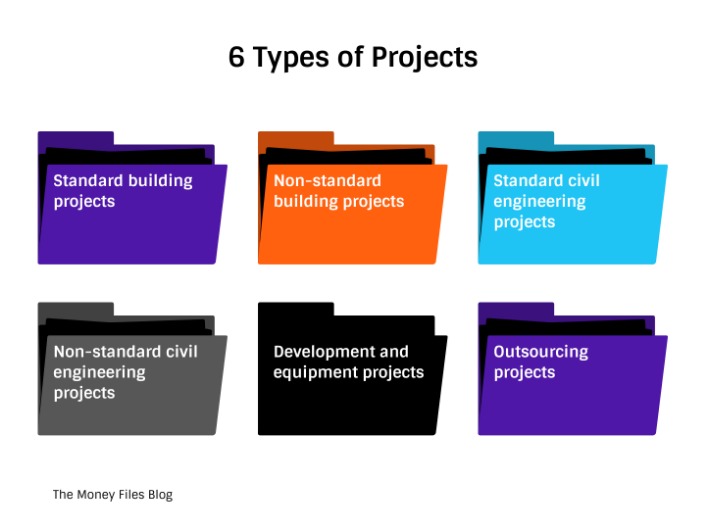
“projects”
The portfolio manager is also responsible, at a high level, for all ongoing projects. A portfolio includes all the requested projects and ongoing tasks of a team or company. The list is then prioritized based on impact, cost and availability of resources. A company might use program management when the organization plans to work on a major release of an application but continue to deliver smaller updates along the way. In this case, program management would involve planning and aligning the major release project with the small projects that are delivering ongoing maintenance updates. Skills gained in either project or product management roles are often transferable, offering career flexibility and the ability to switch between the two paths as opportunities arise.
- The three different management types can be considered in terms of a hierarchy.
- A product manager oversees the products being developed within an organization, managing every aspect of the product life cycle.
- It’s easier to see all the additional Microsoft Project versions as extensions of the OG MS Project Software.
- They are fashioned with the intention of delivering value to customers or users.
- So it seems all of these tools aim to improve your processes and make managing them easier.
- In the world of business and management, the terms “program” and “project” are often used interchangeably, leading to confusion and misunderstanding.
Top PI Planning Tools: Selecting The Best For Your Agile Team
It is important for initiative leaders to engage with stakeholders and communicate effectively to ensure alignment and support. Projects, on the other hand, have a more focused group of stakeholders who are directly impacted by the project’s outcomes. Project managers must work closely with stakeholders to manage expectations and ensure project success. Initiatives are usually ongoing and can last for an extended period of time, sometimes years. They require continuous effort and resources to sustain progress towards the desired outcome. Projects, on the other hand, have a defined duration and are completed once the deliverables are achieved.
Fun Virtual Games To Play With Groups Online
There are also portfolio reports, so you have a variety of ways to make sure that your projects are on track. Plus, since ProjectManager is online, all of your project and program data updates in real time, giving you the most accurate data possible. Now that we’ve outlined the main differences between a project and a program, let’s now discuss how they’re managed. As stated above, there are both similarities and differences between them, which is also true for project management and program management. The life cycle of a product involves continuous improvement based on customer feedback and market developments, ensuring that product deliverables evolve to meet changing user requirements.
How Project, Program, And Portfolio Management All Work Together
It’s used by teams to collaborate on a visual interface that helps them organize their work and enables each team member to manage their tasks while fostering collaboration with the whole team. It’s more comprehensive and built to manage more complex projects with more complex tools that use time-phased scheduling for medium to large-sized teams. Microsoft Project creates more detailed project outlines and comprehensive project planning, with task structuring and timeline. It also consolidates project scheduling, resource allocation and budget management. Though often used interchangeably, projects and programs are distinctly different. Grasping the differences between project and program objectives, scope, timelines, management approaches, and team roles and responsibilities enables more informed decision-making.
Although every project is unique, the planning process shouldn’t have to be. The more regularized the planning process is, the less likely important factors will go without consideration. Similarly to a project, a process also has a beginning, middle, and end; however, this cycle repeats itself over an average period of time.
Microsoft Project Vs Planner – Which One Is Right For Your Needs?
In both cases, additional support options are available at higher tiers, though that may not be available to small businesses. A community of professionals, including some you can hire, are available for both as well. It’s two different approaches to integration, which may be equally appealing to a large or small business. The slick presentation and easy to use tools make Monday the better option.
Microsoft Project also provides comprehensive reporting capabilities, allowing you to generate reports on project progress, resource allocation, and costs. This helps ensure tasks are assigned to individuals with the right skills and prevents overloading anyone. MS Project allows for resource leveling, which helps ensure you don’t overload team members with tasks.
A programme refers to multiple projects which are managed and delivered as a single package. During the growth and maturity stages, the product gains market share, and the company focuses on retaining customers and improving the product based on feedback. In this article, we will explore the key differences between Product vs Project, delve into their life cycles, and discuss their implications for management.
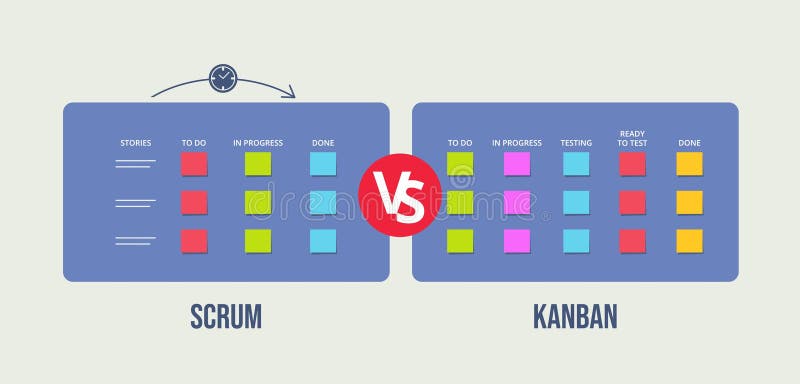
It is used to create schedules, project plans, manage resources and keep track of time. It has features such as Gantt charts, Kanban boards and project calendars. It can be used to establish dependencies among tasks, create constraints, resolve resource conflicts, and it can also help in analyzing cost and schedule performance over the duration of the project. These components, when properly implemented, can be an incredibly influential tool for project managers and project support analysist.
During the planning phase, the project manager and team develop a project plan that outlines the scope, objectives, resources, budget, and schedule. For organizations operating a functional structure, project managers have limited authority and cannot dictate resource usage across functions. Initiatives are often measured by key performance indicators (KPIs) that track progress towards the initiative’s goals. These KPIs may include metrics such as revenue growth, customer satisfaction, or employee engagement. Projects, on the other hand, are typically measured by specific project metrics such as budget variance, schedule performance, and quality of deliverables. Project managers use these metrics to monitor project progress and make adjustments as needed to stay on track.